

The DJI Mavic 2 Zoom has become a popular choice among drone enthusiasts and professionals alike due to its impressive features and capabilities. This SWOT analysis aims to provide a comprehensive view of the drone, its strengths and weaknesses, as well as opportunities it presents and the threats facing its market position.
Strengths
1. Superior Camera Quality
The Mavic 2 Zoom is equipped with a 12 MP sensor and a 2x optical zoom lens, allowing it to capture stunning aerial shots and detailed images from various distances. This feature makes it an excellent choice for photographers and videographers. The ability to zoom allows users to create impressive shots without having to fly closer to their subjects.
2. Impressive Flight Time
With a flight time of up to 31 minutes, the Mavic 2 Zoom offers one of the longest durations in its class. This extended flight time allows users to capture more footage in one go, reducing the need for multiple battery swaps.
3. Intelligent Flight Modes
The drone comes with several intelligent flight modes such as ActiveTrack, QuickShots, and Waypoints, making it easier for users to capture professional-quality content effortlessly. These features also enhance the overall user experience, especially for novices.
4. Portability
Weighing just 905 grams and featuring a compact foldable design, the Mavic 2 Zoom is easy to transport, making it ideal for travel and outdoor adventures. This portability sets it apart in the drone market, as users can easily carry it in a backpack without significant hassle.
Weaknesses
1. Price Point
Priced in the medium range for consumer drones, the Mavic 2 Zoom may be considered expensive for beginners. While it offers various features, budget-conscious users might find it challenging to justify the investment.
2. Learning Curve for New Users
While the drone offers intuitive controls, some beginners may find it challenging to master all functionalities, especially when it comes to advanced shooting modes. This complexity may deter less experienced users from fully utilizing the drone’s capabilities.
3. Limited Low-Light Performance
Although the camera quality is impressive, the Mavic 2 Zoom tends to struggle in low-light conditions. The sensor’s low-light performance may not meet the expectations of those looking to shoot at dawn or dusk.
4. Dependence on GPS
The Mavic 2 Zoom relies heavily on GPS, which is not always available in certain areas, particularly indoors or densely built environments. This lack of functionality may limit its usability in specific situations.
Opportunities
1. Growing Market for Aerial Photography
With the rising trend in aerial photography, there is ample opportunity for the Mavic 2 Zoom to attract new users seeking to enhance their photography and videography skills. As more people get into this niche, marketing the Mavic 2 Zoom as a suitable entry-level tool can yield success.
2. Expanding Use in Industries
The Mavic 2 Zoom can find applications in various industries such as real estate, agriculture, and event planning. Companies looking to leverage aerial shots for marketing purposes could benefit significantly from the capabilities of the Mavic 2 Zoom.
3. Software and Firmware Updates
DJI regularly releases software and firmware updates that can enhance the drone’s functionality, introduce new features, or improve existing ones. Continuous innovation keeps the product relevant and encourages customer loyalty.
Threats
1. Intense Competition
The drone market is saturated with various alternatives, including competitors like Autel and Skydio. These brands are continuously innovating, which poses a threat to DJI’s market share.
2. Regulatory Restrictions
As drone regulations tighten globally, DJI could face challenges in certain markets. Restrictions on drone usage can limit sales and the ability of users to operate the drone freely, impacting overall customer satisfaction.
3. Technological Advancements
Rapid technological advancements could lead to the development of drones with better features and lower prices, making it tough for the Mavic 2 Zoom to maintain its competitive edge.
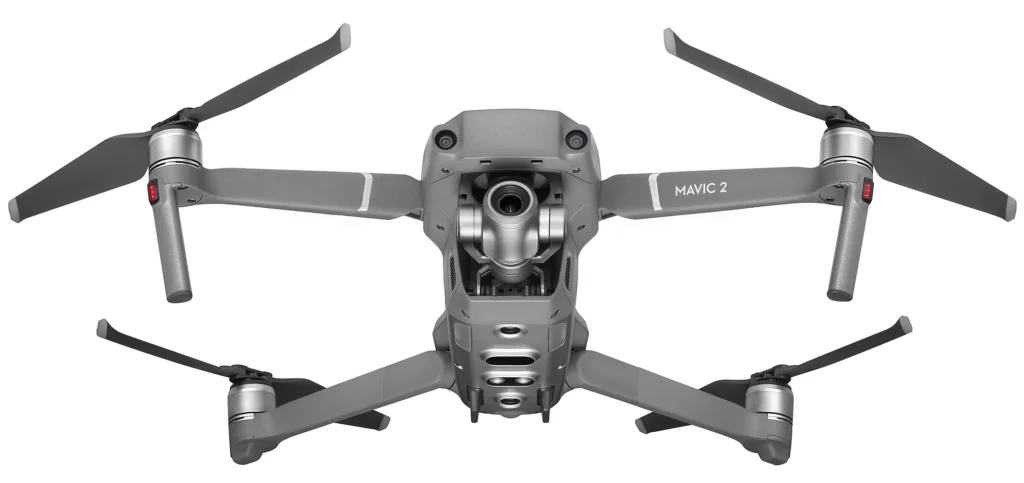
Specs & Configurations
The DJI Mavic 2 Zoom comes with an assortment of technical specifications and configurations that enhance its appeal:
– Camera: 12 MP CMOS with a 2x optical zoom and 24-48mm equivalent focal lengths
– Video Capability: 4K video recording at up to 30 fps and 1080p at 120 fps
– Flight Time: Up to 31 minutes
– Transmission System: OcuSync 2.0
– Max Range: 8 km (5 miles)
– Navigation System: GPS + GLONASS
– Obstacle Avoidance: Omnidirectional sensing
– Weight: 905 grams
Reasons to Buy
1. Outstanding Camera Features: The optical zoom feature allows for stunning images without compromising quality.
2. User-Friendly Interface: Intuitive controls and intelligent flight modes make it suitable for both beginners and professionals.
3. Exceptional Durability: Solid build quality adds to the overall lifespan of the drone, making it a worthwhile investment.
Reasons to Avoid
1. High Initial Cost: The price can be a barrier for beginner hobbyists.
2. Complexity for New Users: A steep learning curve may deter those less experienced with drones.
3. Limited Low-Light Capability: Not ideal for low-light shooting, which can disappoint some photographers.
What I Like
– The camera’s optical zoom capability allows for versatility in photography.
– Extended flight times enhance usability, making it ideal for longer shoots.
– The intelligent flight modes make aerial photography accessible to a wider audience.
What I Don’t Like
– The high price can be prohibitive for beginners.
– The reliance on GPS can hinder usage in certain environments.
– The low-light performance could be improved.
Who It’s For
The DJI Mavic 2 Zoom is perfect for:
– Photography and videography enthusiasts looking for high-quality aerial shots.
– Real estate agents who require aerial footage for property listings.
– Travelers looking for a portable drone option for capturing their adventures.
Top Alternatives
While the Mavic 2 Zoom is a strong contender in the drone market, there are several alternatives to consider:
1. DJI Mini 2: Smaller and more affordable, ideal for beginners but lacks zoom capabilities.
2. Autel Robotics EVO Lite+: Offers a larger sensor and longer flight time, but at a higher price point.
3. Skydio 2: Known for its autonomous flight capabilities, making it excellent for tracking subjects.
4. Parrot Anafi: A lightweight alternative with 4K HDR video, though it lacks some advanced features.
Medium Price
The Mavic 2 Zoom typically falls within a medium price range, usually around $1,200 to $1,600, depending on the retailer and any included accessories. This makes it a significant investment, especially for hobbyists, but the extensive features often justify the cost.
FAQs
What is the maximum flight time for the DJI Mavic 2 Zoom?
The Mavic 2 Zoom offers a maximum flight time of up to 31 minutes under optimal conditions.
Can I control the drone indoors?
While it can fly indoors, the reliance on GPS may limit functionality due to signal loss. Use caution in enclosed spaces.
Is the Mavic 2 Zoom water-resistant?
No, the Mavic 2 Zoom is not water-resistant, so it’s essential to use it in dry conditions to avoid damage.
Does the drone come with a battery?
Yes, the Mavic 2 Zoom typically comes with one battery included, which you may need to purchase extra for extended flight sessions.
In conclusion, the DJI Mavic 2 Zoom stands out with its impressive camera capabilities and intelligent features, making it a smart choice for many aerial photography enthusiasts and professionals. However, potential buyers should weigh the strengths against the weaknesses to ascertain whether this drone aligns with their individual needs and budget.